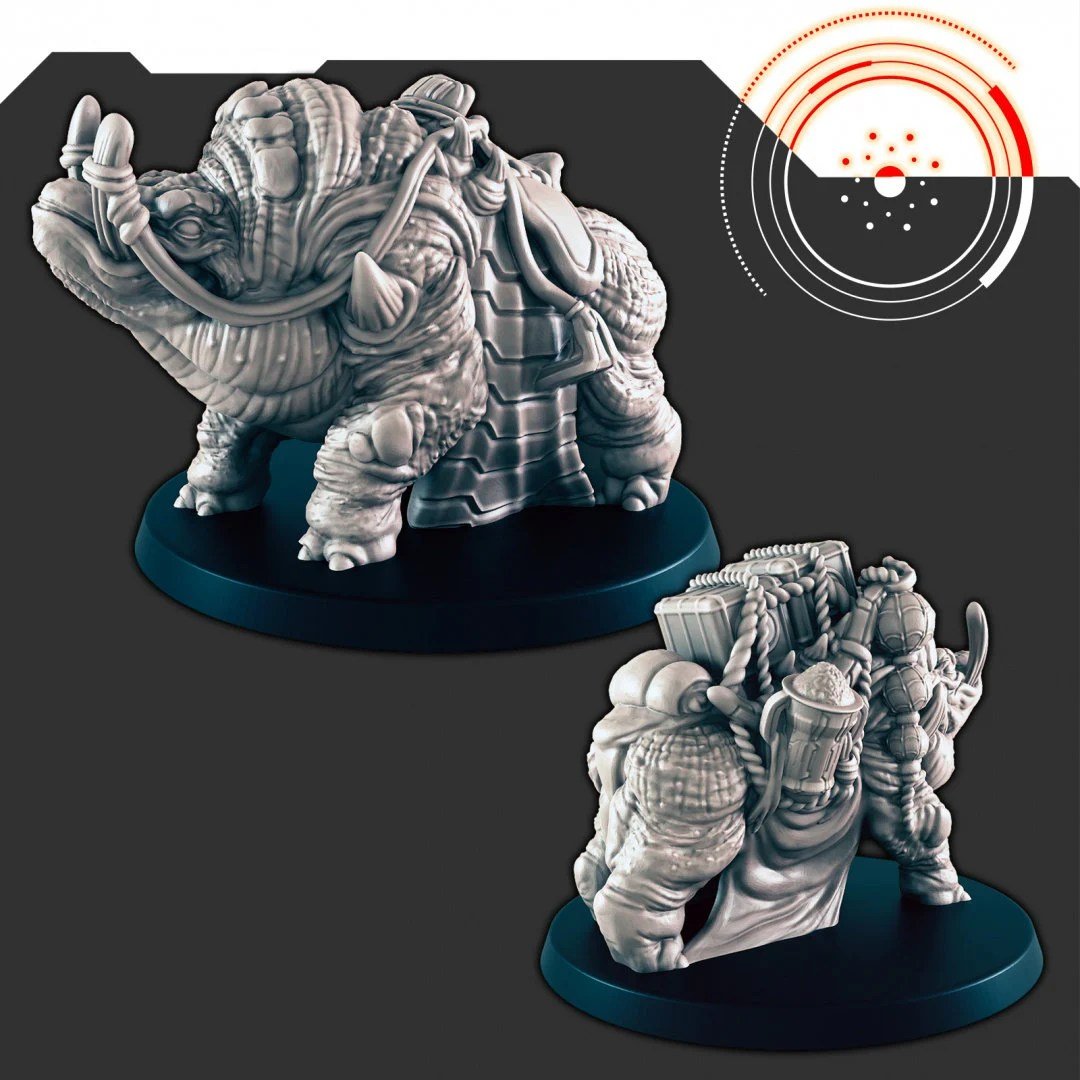
The silent hum of a starship, the distant roar of an alien beast, the glint in a cyborg's eye — these are the vivid strokes that paint a science fiction universe. But often overlooked, perhaps the most powerful and enduring brushstroke, is the name. It’s the whisper that precedes discovery, the label that sticks, the sound that shapes a memory long after the credits roll. Whether you're crafting a new civilization, a hero, or a monstrous threat, effective Sci-Fi Alien & Beast Naming isn’t just about making things up; it’s about strategic linguistic alchemy.
Think about it: the very first encounter with a character, a planet, or an unknown species often starts with its name. And that initial impression is everything. Research tells us that 73% of readers form their initial character impressions within the first three seconds of seeing a name. That's less time than it takes to blink. The right name doesn't just label; it defines, it hints at history, it evokes emotion, and it anchors your reader in the fantastic. In fact, the growing fascination is evident: sci-fi name searches on baby naming sites soared by 340% between 2020 and 2025, with names like Nova, Orion, and Zephyr becoming surprisingly mainstream. This isn't just a trend; it's a testament to the evocative power of good sci-fi nomenclature.
At a Glance: Crafting Unforgettable Sci-Fi Names
- First Impressions Count: Names shape perception in mere seconds.
- Sound Matters: Sharp consonants for advanced, flowing vowels for otherworldly.
- Mix & Match: Blend sounds, cultures, and tech terms for unique identities.
- Keep it Simple: Aim for 2-3 syllables for memorability and easy pronunciation.
- Avoid Pitfalls: Steer clear of excessive apostrophes, unpronounceable clusters, and brand lookalikes.
- Build a System: Connect names to your character's biology, culture, and history.
Beyond the Mundane: Why Sci-Fi Naming Matters More Than You Think
A name in science fiction is more than a tag; it's a piece of world-building, a character trait, and a psychological trigger. It signals intent and establishes tone. A name like "Xylar" feels entirely different from "Barnaby," and a species called "The Grakon" immediately conjures a different image than "The Whispering Ones."
This isn't accidental. It taps into our subconscious understanding of language. Linguistic research has consistently shown that specific phonetic patterns trigger "futuristic" or "alien" associations in the human mind. Sharp, hard consonants like K, X, and Z often convey an advanced, angular, or even aggressive feel. Think of the crisp, almost metallic sound they produce. Conversely, flowing vowels like A, I, and O add an otherworldly, ethereal, or ancient quality. Combine them, and you begin to construct names that inherently feel sci-fi, even without context.
This intuitive connection is why your naming strategy needs to be as carefully considered as your plot twists or technological marvels. It’s the silent partner in your storytelling, working behind the scenes to build credibility and immersion.
Crafting Immortal Aliases: Your Toolkit for Sci-Fi Naming
So, how do you harness this power? It's not about random keyboard mashing. It's about a systematic approach that blends linguistic understanding with creative flair. Here are proven strategies to construct names that resonate and endure.
Rule #1: The Phonetic Formula for Futurescapes
As mentioned, the sounds themselves carry meaning. If you want a name to sound distinctly sci-fi, whether for a sleek starship or a formidable alien, lean into specific phonetic combinations.
- Sharp Consonants (K, X, Z, Q, J, V, F): These create a sense of the advanced, the exotic, or the powerful. They feel less natural, more constructed, perfect for technology or non-human entities.
- Flowing Vowels (A, E, I, O, U, Y): These add an organic, ancient, or mystical quality. They soften the harshness of consonants, making names more pronounceable and often more intriguing.
How to use it: Start by picking a few sharp consonants, then intersperse them with flowing vowels. Don't be afraid to double up vowels or use diphthongs (two vowels together) for added effect.
Examples: - Zylax: (Z, X - sharp; Y, A - flowing) – Sounds like an alien species or a powerful weapon.
- Kaelen: (K - sharp; A, E - flowing) – A futuristic human name, hints at strength with a touch of grace.
- Vraxius: (V, X - sharp; A, I, U - flowing) – Evokes something ancient and perhaps dangerous.
Rule #2: Cultural Fusion – A World in Every Word
Our world is a tapestry of languages and cultures, each with its own unique soundscapes and mythologies. The cultural fusion method involves blending elements from different real-world languages or historical periods to create something entirely new yet subtly familiar. This grounds your names in a sense of history, even if that history is entirely fictional.
How to use it:
- Identify a core concept: What does the name represent? (e.g., strength, wisdom, speed, darkness).
- Find words in other languages: Look up synonyms or related terms in Latin, Greek, Sanskrit, Old Norse, Gaelic, or even modern languages like Japanese or Swahili.
- Combine and adapt: Take prefixes, suffixes, or root words and fuse them. Alter spellings slightly for uniqueness.
Example:
- You want a name for a wise alien elder.
- Sapiens (Latin for wise) + Astra (Latin for star) could lead to Saptera or Astronius.
- For a fast starship:
- Celer (Latin for swift) + Wind (English) could become Celeris Wind or Celestria.
This method lends a depth and implied meaning that purely invented names might lack.
Rule #3: Tech Integration – The Digital Age in Disguise
In a world increasingly dominated by technology, incorporating digital-age elements into names can instantly imbue them with a futuristic, cyberpunk, or AI aesthetic. This is particularly effective for robots, AI characters, or characters deeply connected to a technological society.
How to use it:
- Use tech terms as inspiration: Words like "Cipher," "Matrix," "Chrome," "Nexus," "Byte," "Data," "Core," "Synth."
- Integrate them with traditional names: Blend them as prefixes, suffixes, or stand-alone words.
- Modify common words: Change a letter, add a silent 'e,' or drop a vowel to make familiar terms sound alien or tech-infused.
Examples: - Kira Chrome: (A traditional name with a tech surname).
- Unit 734-X: (Combines numerical designation with a phonetic twist).
- Synapse: (A biological term repurposed for a sentient AI).
- Cipheria: (From "Cipher" with an ethereal suffix).
Rule #4: The 5-Second Test – Speakability is Key
An amazing name loses its impact if no one can pronounce it. You want your audience to confidently say the name aloud, whether in their head or to a friend. If they stumble, they disengage. The "5-Second Test" is simple: look at the name for five seconds, then try to say it. If you hesitate, struggle, or pronounce it differently each time, it's back to the drawing board.
How to use it:
- Say it aloud: Multiple times. Does it roll off the tongue?
- Ask others: Get fresh ears to test pronounceability.
- Check for awkward consonant clusters: Too many consonants together (e.g., "Kth'xyrzt") are almost always a bad idea unless a specific, deliberate effect is intended.
- Limit apostrophes: While tempting for alien names, overuse makes names clunky and hard to read. One apostrophe can work to denote a linguistic break or familial connection, but multiple apostrophes generally lead to frustration.
Rule #5: The Memorability Sweet Spot – 2-3 Syllables
While longer names can occasionally be epic, shorter, punchier names are almost always more memorable. For maximum recall, aim for names that are two to three syllables long. This length hits a sweet spot that feels substantial enough to be unique but short enough to stick in the mind.
Examples:
- Kael, Nova, Orion: All 1-2 syllables, very memorable.
- Zephyr, Seraphina, Axiom: All 2-3 syllables, distinct and easy to recall.
- Compare "V'lorgath the Devourer of Worlds" to "Grakon." While the former offers more detail, "Grakon" is the one people will actually remember and repeat.
Dodging the Asteroid Field: Common Naming Pitfalls to Avoid
Even with the best intentions, it's easy to fall into traps that can undermine your carefully crafted names. Awareness is your best defense.
- Excessive Apostrophes & Hyphens: A common sci-fi trope, but often overused. While one can add character (e.g., O'Connell), a name like "K'th'lar-ax'i" becomes a visual and phonetic nightmare. It looks busy, is hard to read, and impossible to pronounce consistently.
- Unpronounceable Consonant Clusters: Names like "Gnn'thrr" might look alien, but they actively resist pronunciation, forcing readers to gloss over them or invent their own awkward sounds. If your audience can't say it, they can't connect with it.
- Resemblance to Existing Brands or Common Words: Naming your villain "Xerox" or your spaceship "Hyundai" instantly shatters immersion. Even subtle resemblances can pull readers out of your world. Do a quick search to ensure your name isn't too close to something mundane or copyrighted.
- Random Character Input: For alien names especially, resist the urge to just hit random keys. As the summary on alien name generators suggests, believable alien names require an understanding of your fictional species' culture, biology, and evolution. A name should feel like it belongs to the creature or character, not just assigned to it. Does their vocal anatomy allow for certain sounds? Does their culture honor ancestors with specific prefixes? These deeper considerations make names truly believable.
- Lack of Internal Consistency: If all your alien names sound like buzzing insects, but one sounds like a medieval knight, it creates dissonance. Establish a naming convention for your species or faction and stick to it. This also applies to creating monster names where a consistent "feel" helps readers categorize and remember different types of creatures.
Blueprint for Universes: Name Categories and Examples
Now, let's put these principles into practice across various common sci-fi categories. Remember, these are starting points; feel free to mix and match elements to suit your specific vision.
Futuristic Human Names
These names often blend familiarity with a slight twist, suggesting evolution or influence from future technologies and cultures. They might sound classic but with a modern, sharper edge, or entirely new but still pronounceable for human tongues.
Male Examples:
- Kael: Strong, succinct, uses a sharp 'K'.
- Xander: Familiar yet retains the futuristic 'X'.
- Ziran: Exotic feel with 'Z' and 'R'.
- Tavian: Classic sound with a modern cadence.
- Orion: A powerful, established celestial name.
- Jaxen: A modern twist on a traditional name.
- Caden: Familiar, but with a sleek, agile sound.
Female Examples: - Lyra: Ethereal, celestial, soft yet distinct.
- Nova: Bright, new, universally recognized as sci-fi.
- Zephyr: Light, airy, unique, ends with 'R'.
- Anya: Simple, elegant, timeless with a future feel.
- Seraphina: Longer, but flowing vowels make it memorable and grand.
- Astrid: Strong, ancient Norse roots, but feels futuristic.
- Kaelen: Shares phonetic qualities with male 'Kael', but softened.
Alien Species Names
These are where you can truly let linguistic research guide you. Names should imply something about their biology (e.g., guttural for a large beast, sibilant for a serpentine creature) or culture. Avoid names that are simply impossible for a human to read or say.
Examples:
- The Xylos: (Sharp 'X', flowing 'YLO') Suggests a sophisticated, possibly ethereal race.
- The Kryll: (Sharp 'K', hard 'R', short vowel) Implies something insectoid, numerous, or aggressive.
- The V'lorn: (Sharp 'V', apostrophe for a guttural break, hard 'LORN') Suggests a warrior race or something ancient.
- The Aethel: (Flowing 'AE', soft 'TH') Sounds ancient, perhaps wise or mystical.
- The Zurian: (Sharp 'Z', flowing 'U', hard 'R') Can evoke either technological prowess or a formidable, organized force.
- The Sarthak: (Sharp 'S', 'TH', hard 'K') Suggests a more primal or tribal species.
Cyberpunk & Tech Names for Digital Age Characters
These names often blend the urban grit of cyberpunk with the sleek, sometimes cold, language of technology. They can be stark, functional, or ironically elegant.
Examples:
- Cipher: Directly references coding and hidden information.
- Glitch: Imperfect, human-like, yet still tech-inspired.
- Plex: Short, sharp, implies complexity and networks.
- Chrome: Shiny, metallic, associated with augmentations.
- Synapse: Biological-tech blend, suggesting advanced AI or neural implants.
- Unit 734: Functional, dehumanizing, common for robots or enhanced individuals.
- Vector: A scientific term, implying direction and purpose.
Space Colony & Planet Names
These names need to evoke wonder, hope, mystery, or even danger. They often draw from astronomy, mythology, or represent the colony's founding principles.
Examples:
- Veridian: (Green, lush) Implies a habitable, thriving world.
- Astraea: (Greek goddess of justice, associated with stars) Grand, mythical, beautiful.
- Solara: (Sun-related) Evokes warmth, energy, or a sun-drenched planet.
- New Cygnus: (New + star constellation) Connects to familiar stars with a sense of fresh beginnings.
- Xylos Prime: (Sharp 'X', flowing 'YLO', plus "Prime" for original/first) Sounds like a significant homeworld.
- Elysium: (Paradise in Greek mythology) A utopian colony world.
- Titan's Reach: Suggests a moon or outpost near a gas giant, implying challenge and ambition.
Robot & AI Names
Often functional, sometimes elegant, these names can reflect their purpose, programming, or even a nascent personality.
Examples:
- Unit 734: (Functional, numerical) Common for mass-produced robots.
- Axiom: (Self-evident truth) Suggests logic, foundation, or a foundational AI.
- Zephyr: (Light breeze) For a nimble or stealthy bot, or one with a gentler personality.
- KAI (Kinetic Artificial Intelligence): Acronyms are common and effective.
- Lumina: (Light) Suggests a guide, an analytical AI, or a companion bot.
- Omni: (All) Implies a highly capable or pervasive AI.
- Data: Directly inspired by famous sci-fi.
Starship & Vehicle Names
These names embody adventure, exploration, and the vastness of space. They often convey speed, resilience, or the aspirations of their crew.
Examples:
- Stardust: Poetic, evokes cosmic wonder.
- Serenity: Hopeful, calm, perhaps a long-haul vessel.
- Peregrine: (Wanderer, falcon) Suggests speed and exploration.
- Voidwalker: Evokes traversing vast, empty space, hints at daring.
- Xylona: (Sharp 'X', flowing 'YLO') Distinct, powerful, perhaps named after a discovered planet.
- Vanguard: Leads the way, implies a military or exploratory flagship.
- Odyssey: A long, adventurous journey.
The Deeper Dive: Beyond the Sound, Into the Soul
While phonetic formulas and syllable counts are excellent tools, truly memorable names often go a step further. They carry an implied meaning, a hidden history, or a subtle connection to the character's core.
Consider the alien species from the second article summary: a believable alien name isn't randomly generated. It stems from understanding the species' culture, biology, and evolution.
- Biology: Does the creature have vocal cords? What sounds can it make? A creature with a respiratory system like ours might have names similar to human languages. A creature that communicates through pheromones or clicks might have a name that's visually distinct in text, but still pronounceable for the reader.
- Culture: Do they honor ancestors? Is their social structure reflected in prefixes or suffixes (e.g., "son of," "clan of")? Do they have gods or ancient legends that names reference?
- Evolution: Has their language adapted to their environment? A species from a loud, volcanic world might have sharp, short names to cut through the din, while one from a serene, aquatic planet might have flowing, echoing names.
Think of names from science fiction cinema: "Darth Vader" – the "Darth" sounds sinister, "Vader" evokes "father" (German, Dutch), hinting at his true identity. "Xenomorph" – "xeno" for foreign, "morph" for shape – a perfect descriptor. These names aren't just cool sounds; they're rich with context.
By considering these deeper layers, you move beyond merely labeling to truly naming, imbuing your creations with a sense of place and purpose within your universe.
Your Mission, Should You Choose to Accept It: A Practical Naming Process
Feeling overwhelmed by the possibilities? Break it down into a manageable process.
- Define the Essence: What is this character/species/place? What are its key traits? (e.g., ancient alien, fast starship, rebellious cyborg). Jot down keywords.
- Brainstorm Initial Sounds & Roots:
- Phonetics First: Play with sharp consonants (K, X, Z) and flowing vowels (A, I, O). Say combinations aloud.
- Cultural Blend: Look up your keywords in other languages. Extract intriguing sounds or syllables.
- Tech Influence: Incorporate digital or futuristic terms if appropriate.
- Generate Variations: Don't stop at the first idea. Create a list of 5-10 names using different combinations of your chosen sounds and roots.
- Apply the Filters:
- The 5-Second Test: Can you say it easily and consistently?
- Memorability Check: Is it 2-3 syllables? Does it stick?
- Pitfall Scan: Too many apostrophes? Brand resemblance?
- Contextual Fit: Does it feel right for your character's biology, culture, or purpose?
- Seek Feedback: Ask trusted readers or friends for their impressions. Which names do they like? Which ones are hard to say? What do the names evoke in them?
- Refine and Commit: Choose the strongest name. Sometimes, a slight tweak (changing one letter, adding a hyphen) can make all the difference.
This iterative process ensures your names are not only creative but also functional and impactful, enhancing the reader's experience rather than detracting from it.
Final Transmission: Leaving Your Mark on the Stars
The universe of science fiction is infinite, filled with countless stars, strange new worlds, and beings beyond imagining. But it's often the small details – like a perfectly chosen name – that make it truly come alive. A well-crafted name is a promise to your audience: a promise of adventure, mystery, and a universe carefully built.
By applying phonetic science, cultural depth, and a touch of creative daring, you're not just assigning labels; you're forging the very identity of your creations. You're giving your readers the key to pronunciation, a hook for memory, and a subtle hint at the vast stories hidden within. So go forth, name your aliens, beasts, and starships with intent, and watch as your universe truly takes flight, etched into the minds of those who journey through it.