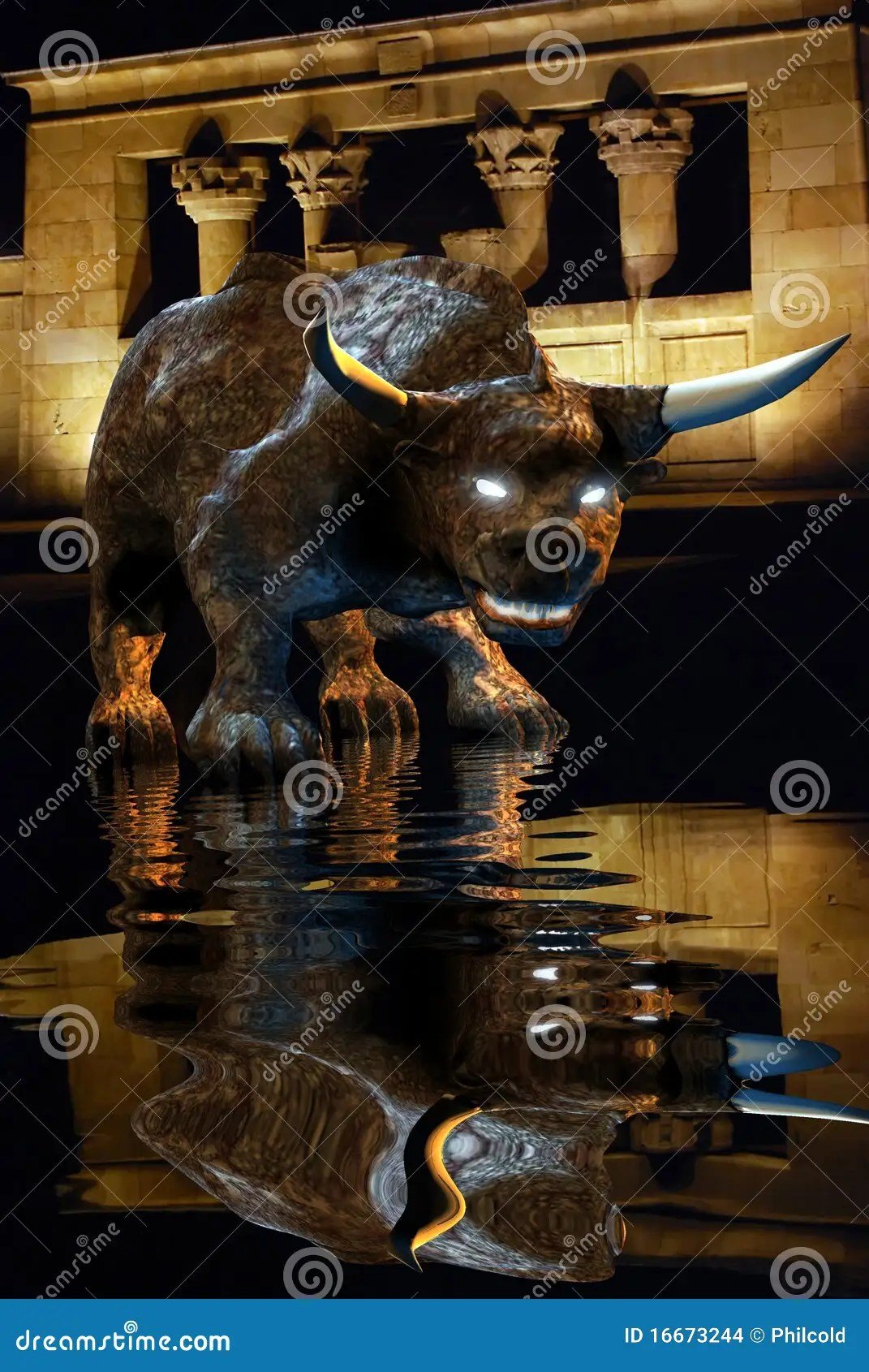
The ground trembles not just from a colossal beast’s footsteps, but from the raw power of its name. A truly unforgettable monster isn't just a collection of fangs, scales, or shadows; it’s a legend etched into memory, often starting with a name that whispers dread, wonder, or even a strange allure. If you’re building worlds, penning sagas, or just seeking that perfect moniker for a creature lurking in the depths of your imagination, you understand the quest for compelling Mythological Monster Name Inspiration.
You’re not just naming a character; you’re invoking an archetype, a fragment of ancient fear or awe. And the richest wellspring for such powerful nomenclature? The myths, legends, and folklore that have shaped human nightmares and fantasies for millennia.
At a Glance: Your Guide to Mythic Monster Naming
- Ancient Echoes, Modern Impact: Discover why drawing from mythology infuses your monsters with instant depth and recognition.
- Mastering the Roots: Learn to dissect mythological names and leverage linguistic origins (Greek, Norse, Japanese, etc.) for new creations.
- Creature Feature Breakdown: Explore categories like "Names That Mean Monster" and adapt them for diverse monster types—from terrifying leviathans to surprisingly good-hearted beasts.
- Practical Naming Strategies: Get hands-on with techniques for crafting unique, resonant names using prefixes, suffixes, environmental cues, and phonetic power.
- Leveraging Smart Tools: Understand how Our monster name generator can kickstart your creativity and refine your choices.
Why a Monster’s Name Is More Than Just a Label
Imagine a monster simply called "Big Green Thing." Now picture confronting the Hydra, the Kraken, or the Chimera. The difference is stark, isn't it? A name drawn from mythology doesn't just identify a creature; it conjures an entire narrative. It implies a history, a lineage of terror, and often, a tragic tale.
For creators, this isn't merely about aesthetics. A potent name anchors your monster within its world, shaping how characters react to it, how cultures evolve around its threat (or protection), and even how the landscape itself might be scarred by its presence. Think about the pervasive fear a name like 'Gorgon' inspires; it's not just a snake-haired woman, but a symbol of petrifying horror, an ancient curse. Its very existence forces communities to fortify, to create rituals of appeasement, to tell cautionary tales that become part of a child's earliest memories. The name itself becomes a cultural artifact, weaving into the fabric of daily life, influencing alliances, trade routes, and even individual trust.
It's the difference between a generic adversary and an iconic force that profoundly alters the world around it. A name like 'Fenrir' immediately suggests untamed, colossal power, a wolf destined for cosmic destruction, influencing sagas and world-ending prophecies. This is the power you tap into when you seek mythological monster name inspiration.
Tapping into Ancient Power: The Richness of Mythological Lore
Mythology provides a pre-existing lexicon of dread, wonder, and epic scale. It’s a shared cultural consciousness, meaning that even a subtle nod to a well-known myth can evoke a wealth of associations without you having to spell them out. Whether you're aiming for a primordial horror, a cunning trickster, or a noble guardian, the archetypes and linguistic traditions of ancient cultures offer an unparalleled starting point.
These names carry the weight of countless retellings, steeped in the collective human imagination. They come with inherent connotations of power, mystery, and often, a hint of the uncanny.
Greek Mythology: Where Horrors Were Born
Few mythologies offer a more terrifying menagerie than the Greek pantheon. From the labyrinthine terror of the Minotaur to the multi-headed menace of the Lernaean Hydra, Greek myths are ripe with names that resonate with power and tragedy.
- Gorgon: Beyond just Medusa, the Gorgons were three sisters with venomous snakes for hair, their gaze turning onlookers to stone. The name itself is harsh, guttural.
- Minotaur: The "Bull of Minos," a half-man, half-bull confined to a maze. The name suggests an unnatural hybrid and an inescapable fate.
- Chimera: A fire-breathing hybrid beast composed of parts of a lion, goat, and serpent. The name is synonymous with impossible, monstrous combinations.
- Typhon: Father of monsters, a colossal serpentine giant. A name that speaks of elemental, chaotic power.
- Scylla & Charybdis: Iconic sea monsters. Scylla, a multi-headed creature, and Charybdis, a deadly whirlpool. Their names are inextricably linked to inescapable peril.
- Cerberus: The three-headed hound guarding the Underworld. A classic name for a guardian beast or a symbol of inescapable doom.
- Lamia: A child-eating monster, often depicted as a beautiful woman from the waist up, serpent below. A name that hints at seductive danger.
- Echidna: The "Mother of Monsters," a half-woman, half-snake creature who birthed many Greek horrors. Her name is sharp, hissing.
When drawing from Greek roots, consider names that evoke the sea, the underworld, strange transformations, or the wrath of the gods. Think about combining Greek prefixes or suffixes that suggest size, multiplicity, or specific monstrous features.
Norse Legends: Giants, Wolves, and World-Ending Serpents
Norse mythology offers a colder, more elemental dread, often tied to fate and the inevitable end of the world. Their monsters are forces of nature, often chaotic and primordial.
- Fenrir: The colossal wolf destined to devour Odin. A name synonymous with unstoppable, fated destruction.
- Jotun: The race of giants, often associated with frost, mountains, and primordial chaos. A broad term that can inspire names for any giant creature.
- Kraken: The legendary giant squid or octopus, capable of dragging ships into the abyss. A name that embodies oceanic terror and immense scale.
- Draugr: Undead beings, often guarding treasures, possessing superhuman strength and a decaying appearance. A chilling, guttural name for an undead horror.
- Garm: The hellhound guarding the entrance to Hel, similar to Cerberus. A fierce, short name.
- Nidhogg: The serpent gnawing at the roots of Yggdrasil, the world tree. A name that suggests decay, corruption, and the slow unraveling of existence.
Norse-inspired names often have a rugged, stark quality, reflecting the harsh landscapes and stoic worldview of their origin. Look for names that suggest winter, stone, primal beasts, or the end times.
Eastern Mysticism: Demons, Spirits, and Shapeshifters
Asian mythologies offer a diverse array of monsters, from terrifying demons to mischievous spirits, often with complex moral ambiguities.
- Oni (Japanese): Demonic ogres, often depicted with red or blue skin, fangs, and horns. A simple, powerful name for a formidable demon.
- Kappa (Japanese): Water imps, mischievous yet dangerous, known for their turtle-like appearance and love of cucumbers. A surprisingly cute name for a potential threat.
- Asura (Hindu): Powerful, often malevolent, demigods or demons, characterized by their immense strength and rivalry with the Devas. A name that hints at divine power twisted.
- Rakshasa (Sanskrit): Fiendish, shape-shifting demons from Hindu mythology, often depicted as grotesque cannibals. A name that implies insidious evil and deceit.
- Pontianak (Malay): A vengeful female ghost, often appearing as a beautiful woman before revealing her true, horrific form. A name that suggests tragic beauty and deadly vengeance.
- Zmey (Slavic): A multi-headed dragon, similar to the Hydra, but often more tied to elemental powers or cunning. A classic dragon name.
Eastern mythological names often carry a sense of ancient tradition, sometimes echoing philosophical concepts or specific moral lessons. They can range from the direct and fearsome to the subtly unsettling.
Other Folklore & Indigenous Legends: Untamed Wilds and Primal Fears
Beyond the well-known pantheons, countless regional folklores offer unique and terrifying monsters, often deeply tied to specific landscapes or cultural anxieties.
- Wendigo (Algonquin): A monstrous cannibalistic spirit, born from human greed and starvation, forever ravenous. A name that evokes deep-seated human fear and moral decay.
- Yeti (Tibetan): The elusive "Abominable Snowman," a large, ape-like creature inhabiting the Himalayas. A name that suggests mystery, isolation, and primal wilderness.
- Nuckelavee (Scottish): A horrifying, skinless horse-like sea demon from Orcadian folklore. A truly unique and visceral name for a creature of pure nightmare.
- Troll (Norse/Scandinavian): Cave-dwelling giants or grotesque humanoids, often associated with mountains, forests, and bridges. A universally recognized name for a brutish, simple monster.
- Ghoul (Arabic): Grave-robbing, flesh-eating demons, often shapeshifters, haunting desolate places. A name synonymous with desecration and hunger for the dead.
- Manticore (Persian): A creature with a lion's body, a human head, bat wings, and a scorpion's tail, capable of firing venomous spines. A truly monstrous hybrid name.
- Grootslang (African): A legendary elephant-serpent hybrid from South African folklore, guarding a diamond cave. A name that combines two powerful animals.
- Manananggal (Philippine): A terrifying, winged vampiric creature that separates its torso from its lower body at night. A name that hints at body horror and nocturnal predation.
- Tatzelwurm (Swiss): A short, fat, lizard-like dragon with two forelegs, inhabiting the Alps. A wonderfully unique name for a smaller, regional beast.
These names often feel more grounded in specific environments or local fears, making them excellent choices for creatures deeply integrated into a particular setting.
Unpacking the Pantheon of Horrors: Names That Are Monsters
Some names explicitly translate to "monster" or "fiend" in their original language, carrying an inherent weight. Using or adapting these can immediately communicate the creature's essence.
Here’s a deeper look at some powerful examples from various mythologies, complete with their origins and potential for inspiration:
- Oni (Japanese: Demon): Direct, impactful. Can be used as-is or as a suffix (e.g., Shadow-Oni).
- Asura (Hindu: Powerful demon): Suggests divine-level power, perhaps corrupted. Good for formidable villains.
- Jotun (Norse: Giant): Perfect for any colossal creature. Combine with an element: Ice-Jotun, Mountain-Jotun.
- Rakshasa (Sanskrit: Fiendish monster): Evokes cunning, malice, and shapeshifting. Ideal for deceptive horrors.
- Wendigo (Algonquin: Cannibal spirit): Implies a creature born of human depravity, a psychological horror.
- Gorgon (Greek: Snake-haired monster): Beyond Medusa, this implies a type. Consider "Deep-Gorgon" or "Sand-Gorgon" for variants.
- Nuckelavee (Scottish: Sea demon): Evokes a specific, terrifying entity. Excellent for unique sea-based threats.
- Draugr (Norse: Undead giant): A classic for reanimated horrors, suggests decay and immense strength.
- Yeti (Tibetan: Snow monster): For creatures of the cold, implies elusiveness and primal strength.
- Charybdis (Greek: Whirlpool monster): For anything that devours or traps. "Void-Charybdis" for an astral entity.
- Chimera (Greek: Fire-breathing hybrid): For composite beasts. "Bone-Chimera," "Dream-Chimera."
- Basilisk (Latin: Death serpent): The king of serpents with a deadly gaze. Suggests lethal venom or petrifying power.
- Troll (Norse: Cave monster): Simple, sturdy, and instantly recognizable. Great for cannon fodder or simple brutish foes.
- Ghoul (Arabic: Grave-eating spirit): For creatures associated with death, decay, and desecration.
- Manticore (Persian: Lion-headed beast): For multi-limbed, spined, or composite predators.
- Kraken (Norse legend: Tentacle sea monster): The ultimate deep-sea terror. Adapt for land: "Sand-Kraken."
- Leviathan (Hebrew: Oceanic monster): For any truly immense, ancient creature, regardless of element.
- Fenrir (Norse: Giant wolf): For alpha predators, creatures of immense, fated power.
- Typhon (Greek: Storm monster): For elemental beings, forces of nature. "Ash-Typhon," "Blizzard-Typhon."
- Lamia (Greek: Child-eating monster): For creatures with deceptive beauty or a focus on innocent victims.
- Kappa (Japanese: Water imp): For mischievous aquatic creatures, often with a sinister edge.
- Pontianak (Malay: Vengeful ghost): For tragic, wrathful spirits, particularly female.
- Garm (Norse: Hellhound): For canine guardians of forbidden places, or spectral dogs.
- Minotaur (Greek: Labyrinth beast): For territorial, bestial guardians, or creatures associated with mazes.
- Cerberus (Greek: Three-headed dog): For multi-faceted guardians or symbols of insurmountable defense.
- Banshee (Irish: Wailing spirit): For creatures whose power lies in sound, portents of death.
- Echidna (Greek: Mother of monsters): For matriarchal creatures, broodmothers, or those who spawn horrors.
- Tatzelwurm (Swiss: Dragon serpent): A unique, regional dragon, good for local legends.
- Grootslang (African: Elephant-serpent hybrid): For unique chimeric beasts, especially those guarding treasures.
- Manananggal (Philippine: Winged vampire monster): For creatures with bizarre transformations or body horror elements.
- Jabberwock (Literary: Fearsome creature): A classic name for a surreal, nonsensical horror.
- Draeclaw (Fantasy: Shadow monster): A created name that feels ancient and menacing. Use for shadowy entities.
- Malphas (Demonic origins: Evil beast): A name carrying direct demonic association.
- Wyrm (Old English: Dragon): A simple, ancient term for dragons, particularly the more serpentine varieties.
- Chaneque (Mexican folklore: Mischievous forest monster): For nature spirits with a playful but potentially dangerous edge.
- Oniroth (Fantasy: Nightmare beast): A created name that evokes dreams and terror.
- Zmey (Slavic: Dragon): Another excellent, classic dragon name.
- Nidhogg (Norse: Serpent of the underworld): For destructive forces that corrupt or unravel.
- Huldra (Scandinavian: Forest monster): For seductive forest spirits, often with a monstrous hidden feature.
- Barghest (English: Phantom dog): For spectral hounds, harbingers of death.
Beyond the Echoes: Crafting Original Names with Mythic Resonance
You don't have to plagiarize mythology to harness its power. The goal is to draw inspiration, to understand the principles that make these ancient names so compelling, and then apply them to your unique creations.
Method 1: Deconstruction and Reconstruction
Take existing mythological names or words and break them down.
- Prefixes/Suffixes: Identify common elements. For example, "Hydra" (many-headed), "Minos" (king), "gorgon" (fierce/terrible).
- Combine and Mutate:
- Example: Take "Gorgon" and "Typhon." What if you combined them? "Gorgotyph," "Typhorgon."
- Example: From "Fenrir" (wolf) and "Kraken" (sea beast), you might get "Fenraken" (a sea wolf) or "Krak'nir" (a kraken-like creature with wolfish ferocity).
- Example: "Basilisk" + "Chimera" could lead to "Basimera" (a chimera with a deadly gaze) or "Chimerisk" (a serpentine chimera).
Method 2: Leveraging Linguistic Roots
Many mythological names derive their power from ancient languages. Using Latin, Greek, Old English, Norse, or other roots can give your monster names an instant sense of history and gravitas.
- Greek Roots: Demos (people, population), Thanatos (death), Phobos (fear), Lithos (stone), Chthonic (of the underworld).
- Example: A creature that preys on crowds might be a "Demophagos" (people-eater). A stone monster could be a "Lithoskor."
- Latin Roots: Umbra (shadow), Nox (night), Ferus (wild), Mors (death), Volans (flying).
- Example: A shadowy night creature: "Noxumbra." A wild, flying beast: "Ferovolans."
- Old English/Norse Roots: Wyrm (dragon), Draugr (undead), Fen (marsh), Grim (fierce, cruel).
- Example: A marsh creature with a cruel disposition: "Fen-Grim." An undead dragon: "Draugrwyrm."
- Sanskrit/Hindu Roots: Rudra (howler, storm god), Kali (black, time), Naga (serpent).
- Example: A storm-howling beast: "Rudrak." A primordial, black serpent: "Naganira."
Method 3: Environment, Attributes, and Actions as Inspiration
What does your monster look like? Where does it live? What does it do? These core characteristics can be powerful naming tools. This is where tools like our monster name generator shine, often letting you specify environment, size, or color to get tailored suggestions.
- Environment:
- Deep-dweller: Abyssal, Chthonic, Subterra, Murk-Heart.
- Forest-stalker: Sylvath, Verdant-Gloom, Bramblefang.
- Mountain-titan: Crag-Beast, Peak-Grinder, Stonewrought.
- Sea-horror: Brine-Spawn, Depth-Crawler, Tide-Eater.
- Appearance/Physical Traits:
- Many-eyed: Argus-Spawn, Oculoth, Gazer.
- Shadowy: Umbral-Wraith, Gloom-Walker, Penumbra.
- Horned: Karagoth, Cornu-Beast, Spire-Head.
- Scaled: Skal-Thrax, Serpent-Hide, Drakonus.
- Actions/Abilities:
- Soul-eater: Anima-Devourer, Spirit-Siphon, Gast.
- Mind-bender: Psy-Ghoul, Mentar, Whisper-Weaver.
- Stone-turner: Lithifier, Petragon, Stone-Heart.
Method 4: The Sound of Fear (Phonetics)
The actual sounds of a name can contribute massively to its impact.
- Harsh Consonants: Ks, Z, G, K, Q, Th, Dr (Kraken, Grak, Zanthar, Drakon)
- Guttural Sounds: Gh, Ch, H (Ghoul, Chthonic, Hagra)
- Sibilance: S, Sh, Z (Sss-ssylth, Shai-hulud, Ziss-zzar)
- Long Vowels/Diphthongs: Create a sense of drawn-out dread or ancient power (Azaar, Myrthos, Ouroboros)
- Short, Abrupt Sounds: Can convey sudden impact or primal aggression (Grog, Kael, Zorp)
Play with combinations. Say the names aloud. Does it roll off the tongue with ominous ease, or does it sound clunky and forgettable?
Categories of Creation: Tailoring Names to Your Monster's Persona
The research highlights many categories of monster names, and these aren't just arbitrary lists. They represent different vibes or roles a monster might play. Thinking about your monster's intended personality helps narrow down your search for mythological monster name inspiration.
Scary Monster Names: Summoning Pure Dread
These names are designed to make the hairs on the back of your neck stand up. They often use harsh sounds, suggest decay, darkness, or relentless power.
- Inspiration: Malgoth ("Abyssal demon"), Varkul ("Shadow beast").
- Technique: Use hard consonants (K, Z, X), words associated with death, void, shadow, or the grotesque.
- Examples: Xylos, Grimgore, Blightfang, Corpse-Weeper.
Cute Monster Names: Sparkle with Whimsy
Not all monsters are terrifying! Some are cuddly, mischievous, or simply misunderstood. These names are often soft, whimsical, and playful.
- Inspiration: Puffles ("Fluffy dream puff"), Binkyboo ("Sweet baby imp").
- Technique: Use soft sounds, double letters, diminutive suffixes, or words associated with fluff, bubbles, or sweetness.
- Examples: Fizzlepop, Gigglesnarl, Puffball, Nuzzlefang.
Cool Monster Names: Edgy and Mysterious
These names suggest power, unique abilities, or a certain mystique. They might be sleek, bold, or slightly alien.
- Inspiration: Dravex ("Shadow dragon"), Veyron ("Lightning beast").
- Technique: Combine strong, modern-sounding syllables with hints of mythic power. Use unexpected consonant combinations.
- Examples: Kaelen, Stryke, Lumina, Zephyrion.
Sea Monster Names: Depths of Terror and Awe
Names for oceanic horrors evoke vastness, crushing pressure, inky darkness, and tentacled dread.
- Inspiration: Kraken ("Legendary tentacle beast"), Leviathan ("Giant sea serpent").
- Technique: Use words associated with water, depth, pressure, crushing, ancient, or specific aquatic features.
- Examples: Abyssal Maw, Brine-Titan, Dagon's Heart, Thalassan.
Good Monster Names: Heroism and Redemption
Sometimes monsters are allies, redeemed villains, or simply misunderstood protectors. Their names should reflect warmth, strength, or benevolence.
- Inspiration: Althor ("Guardian of light"), Serion ("Spirit of peace").
- Technique: Use softer sounds, words associated with light, protection, peace, or ancient wisdom. Avoid overtly aggressive sounds.
- Examples: Lumidor, Aethel, Glimmerfang, Eldrin.
Creative Monster Names: Uncharted Territory
These names push boundaries, often combining fantasy origins with unique linguistic twists for deep world-building.
- Inspiration: Avarn (Old English: "Keeper of ruin"), Sylthor (Elvish: "Spirit of flame").
- Technique: Invent new words, combine obscure roots, or create compound names that hint at complex lore. Focus on unique sound combinations.
- Examples: Kael'thas, Umbraxis, Vordigon, Aetheris.
Pitfalls to Avoid in Monster Naming
Even with a wealth of mythological monster name inspiration, it’s easy to stumble. Keep these common traps in mind:
- Too Generic: "Big monster," "Dark beast." These tell you nothing. A good name should offer a hint of the creature's nature.
- Too Obvious/On-the-Nose: While some direct names work (like "Troll"), constantly naming a fire monster "Flamey McFireface" gets old. Seek subtlety.
- Hard to Pronounce/Remember: If your readers or players can't say it, they won't remember it. Test names out loud.
- Unintentionally Funny: Be careful with combining sounds or choosing words that, in another context, are humorous.
- Cliché Overload: While drawing from mythology, avoid simply copying names or using overused fantasy tropes without a fresh twist. "Shadow Dragon" is fine, but can you make it "Umbral Wyrm of the Blighted Peaks" to add specificity?
Unleash Your Inner Myth-Maker: Your Next Steps
The journey to find that perfect monster name is an exciting one, filled with the echoes of ancient myths and the thrill of new creation. Remember, a name isn't just a label; it's the first whisper of a legend, the seed of a thousand fears, or the promise of an unexpected ally.
Start by considering the essence of your monster: its environment, its abilities, its temperament, and its role in your story. Dive into the rich tapestry of world mythologies, not just to copy, but to understand the spirit of their naming conventions. Experiment with linguistic roots, play with prefixes and suffixes, and don't be afraid to invent new sounds that resonate with primal power.
And when you need a little push, or a cascade of ideas to sift through, remember that powerful tools are at your fingertips. To quickly generate unique names based on specific characteristics like color, environment, or size, or to simply get a burst of creative options, give Our monster name generator a try. It can be an invaluable partner in refining your vision and bringing your monstrous creations to vivid, unforgettable life.
Go forth, and let the legends begin!